
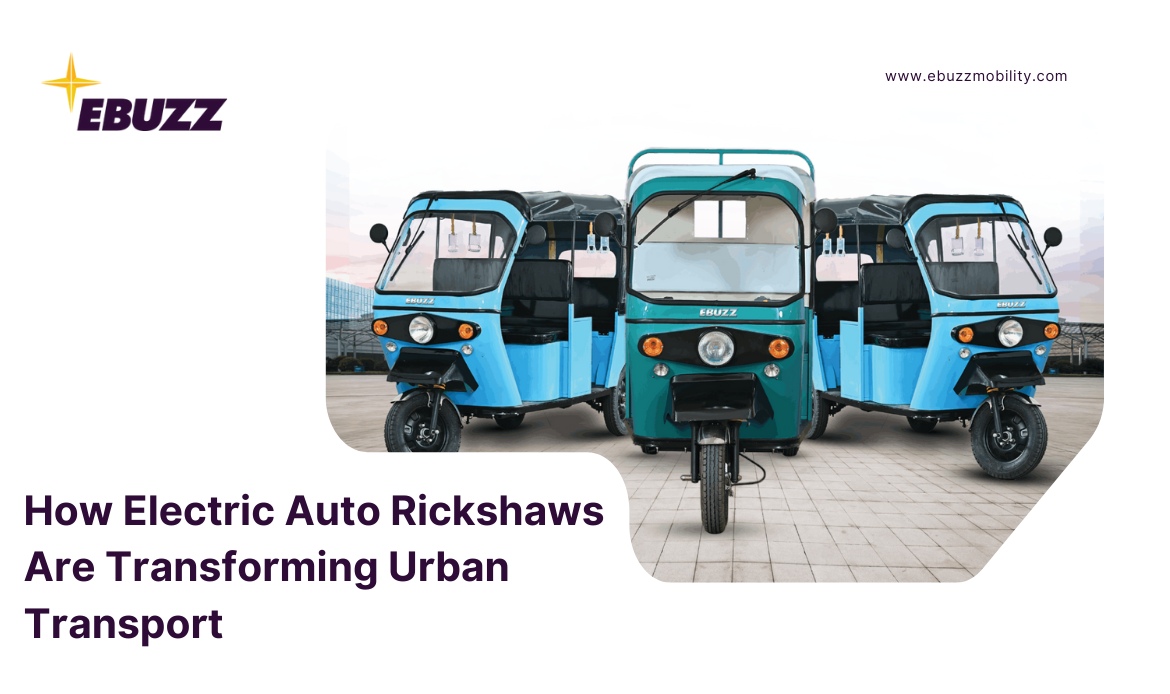
The electric auto rickshaw is a leading niche for transport in India and is rapidly developing as a significant mode of urban transportation. As pollution and traffic congestion continue to rise in cities, the move from regular petrol and CNG vehicles to e-rickshaw solutions has become urgent and imminent. In metros and Tier-2 cities, new electric rickshaw models within India are revolutionising the way people and goods navigate congested urban areas.
The demand for electric three-wheelers in India is at an all-time high owing to their low cost of operation, energy-efficient nature and eco-friendly properties. Because these vehicles are no longer just for short trips within the neighbourhood, they have become an important part of last-mile connectivity, urban logistics and small businesses. Electric mobility is not just for the future anymore – it is redefining urban life today.
What Is an Electric Auto Rickshaw?
An electric auto rickshaw is an automobile vehicle for commercial transportation propelled by electric power. An electric rickshaw in India works from stored electrical power, which provides clean, quiet and efficient propulsion compared to petrol or diesel-fueled vehicles
Core Components of an Electric Rickshaw
- Battery: The electric vehicle powerplant, either lead-acid or lithium-ion.
- Electric Motor: Converts electrical energy into mechanical motion
- Controller: Regulates power delivery for speed and efficiency
With low operation costs, easy mechanics and less or no maintenance needs, the e-rickshaw vehicles are most suitable for urban use over fuel-based vehicles.
Read in Detail: What is an Electric Rickshaw? A Complete Guide
Why Electric Rickshaws Are Gaining Popularity in India
Robust economic and policy backing prompts the popularity of electric rickshaw models. Government spurred EV incentives, rebates and state-level initiatives have driven adoption. Increasing petrol and CNG prices have further added to the argument for e-rickshaw alternatives, which are environmentally friendly.
Urban mobility needs inexpensive last-mile solutions, and here, the e-rickshaw vehicles play a significant role. Daily savings accrue to drivers, and riders enjoy cheap, available forms of transportation.
Types of Electric Auto Rickshaws Used in Urban Transport
Electric auto rickshaws used in urban transport are mainly classified into three major types, based on their purpose and usage:
1. Passenger E Rickshaw for Daily Urban Commuting
The 3-wheeler electric rickshaw is the passenger’s most effective means of mobility on Indian streets. Intended for last-mile connectivity, it easily links residential areas with metro stations, markets and offices.
Passengers get a great low-cost fare, and drivers increase their daily earnings while reducing running costs. Seating comfort and stability are equally important to modern electric passenger auto rickshaw designs, which also strive to provide style, safety and ease of call up in non-industry sectors.
2. E Rickshaw Loader for Urban Logistics
The e-rickshaw loader now defines urban goods movement. Small but mighty, it can weave through town streets and crowded commercial areas.
E-rickshaw loader vehicles are used by retailers, courier companies, e-commerce players and merchants for frugal last-mile deliveries. These vehicles are cheaper to operate yet still provide dependable service in high-density urban settings
3. E Food Cart Rickshaw for Small Businesses
The e-food cart rickshaw has emerged as a game-changer for street vendors and food startups. This mobile business platform combines transport and vending in a single unit.
The very low investment required, no fuel cost, and still being able to operate in the crowded lanes of the city make electric rickshaws and food carts a hot choice for entrepreneurs. The e-food cart rickshaw enables green livelihoods along with clean mobility.
Environmental Impact: Eco-Friendly E Rickshaw Benefits
One of the most significant benefits of going eco-friendly with an e-rickshaw is its minimal harm to the environment. These vehicles do not emit any tailpipe pollutants, making for cleaner city air.
Large-scale deployment of electric auto rickshaw fleets brings about lower carbon emissions and less noise. Replacing fossil-fuel vehicles, electric three-wheelers in India contribute to the development of sustainable urban transportation systems.
Cost Benefits of Electric Auto Rickshaws
The economics of electric auto rickshaws also make sense. Although the initial price may seem in line with that of a traditional auto, the cost per mile will be considerably less.
Power is a fraction of the cost of petrol or CNG, and maintenance costs are low with fewer moving parts. In the long term, drivers and fleet operators save a good amount of money, making e-rickshaw operations quite lucrative in urban areas.
Choosing the Best Battery Rickshaw for Urban Use
How to choose a good-quality electric rickshaw? Choosing a high-quality battery rickshaw requires considering the following points: battery technology, performance and life cycle costs.
Battery Options
- Lead-Acid Batteries: Affordable but heavier with shorter lifespan
- Lithium-Ion Batteries: Lightweight, fast-charging, and long-lasting
Lithium-equipped electric rickshaw vehicles are the best urban solution for heavy-duty use as they give great range, reliability and longevity of use. Charging time, daily distance needed to be covered, and payload carrying capacity will determine the best battery rickshaw.
Role of Electric Rickshaws in Last-Mile Connectivity
Electric auto rickshaw vehicles are a vital link between public transportation systems and residential places. They’re a practical link between metro stations, bus terminals and business districts.
E-rickshaw services are also becoming an essential part of smart city initiatives for urban mobility planning. The impact doesn’t stop at transport—it provides mass employment, giving jobs to thousands of drivers and enabling small businesses across urban India to thrive.
Future of Electric Auto Rickshaws in India
The electric auto rickshaw market in India has an extremely bright future. Continued growth will be driven by increased urbanisation, technological innovation, and supportive government policies
Developments in battery density, fast charging, and motor efficiency will improve performance. The rising use of passenger e-rickshaws, e-rickshaw loaders, and e-food cart models will further expand applications and strengthen urban transport systems.
Buyer’s Checklist for the Best Electric Auto Rickshaw
Choosing the right electric auto rickshaw has a bearing on profitability, reliability, and daily performance in urban operations. We need to continue to pay very close attention to the following elements in order to maximise long-term value and operational effectiveness
✔ Intended Use Case
Decide how the vehicle will be used—e-passenger, loader, or e-food cart. Passenger models focus on comfort, loaders require high torque and payload strength, and food carts need stability and power for onboard equipment.
✔ Battery Type and Capacity
Select the best battery rickshaw based on daily distance and charging accessibility.
- Lithium-ion batteries offer faster charging, longer lifespan, and consistent performance.
- Lead-acid batteries are economical upfront but involve higher maintenance and shorter cycles.
✔ Driving Range and Charging Tim
Check real-world range per charge and total charging duration. The best electric rickshaw models can complete a full day’s operations with minimal downtime.
✔ Motor Power and Load Capability
For commercial and logistics use, ensure sufficient motor capacity. A robust motor is essential for electric three-wheelers vehicles India vehicles operating on slopes, uneven roads, or carrying heavy loads.
✔ Build Quality and Safety Features
Examine the frame’s integrity, the suspension and brake system, and overall construction. A rigid frame leads to a longer vehicle life, less need for repair and enhanced occupant protection.
✔ Operating and Maintenance Costs
Factor in the total cost of ownership – which includes power, servicing and battery replacement. A carefully selected green e-rickshaw is a sustainable way to save money as opposed to petrol or diesel options.
✔ Regulatory Compliance
Ensure that E-rickshaws are as per the regional auto rickshaw norms for operation and registration-wise, but also subsidy eligibility
Let’s summarise the quick buyer checklist to help us invest in an e-rickshaw that is value for money, reliable and long-lasting, and sustains bumpy urban roads.
Conclusion: Electric Auto Rickshaws Driving India’s Urban Mobility Revolution
The electric rickshaw has graduated from an aftermarket novelty to a public-transport-in-a-third-world-country backbone. E-rickshaw solutions combine economic efficiency, environmental advantages and unparalleled flexibility to meet these most challenging urban needs of the Indian market.
As adoption swells, electric rickshaw India models will reshuffle the deck for commuting, logistic and entrepreneurial use cases. E-rickshaws: Sustainable, cost-effective and scalable. Electric rickshaws are an imperative to developing future-ready urban transport networks.
FAQs
1. Is an electric auto rickshaw suitable for daily urban use?
Yes, electric auto rickshaw models are specifically designed for frequent short-distance urban travel
2. Which is the best battery rickshaw for cities?
Lithium-ion powered vehicles are widely considered the best battery rickshaw for urban conditions.
3. Are e-rickshaw loaders profitable?
Yes, e-rickshaw loader vehicles offer high profitability due to low operating costs and strong demand.
4. How eco-friendly is the electric rickshaw India model?
An eco-friendly e-rickshaw produces zero emissions and significantly reduces urban pollution.

 English
  Gujarati
  Hindi
Hindi